7 Meal Prep Rules for Busy Professionals
Written by Shifu Health teamPublished
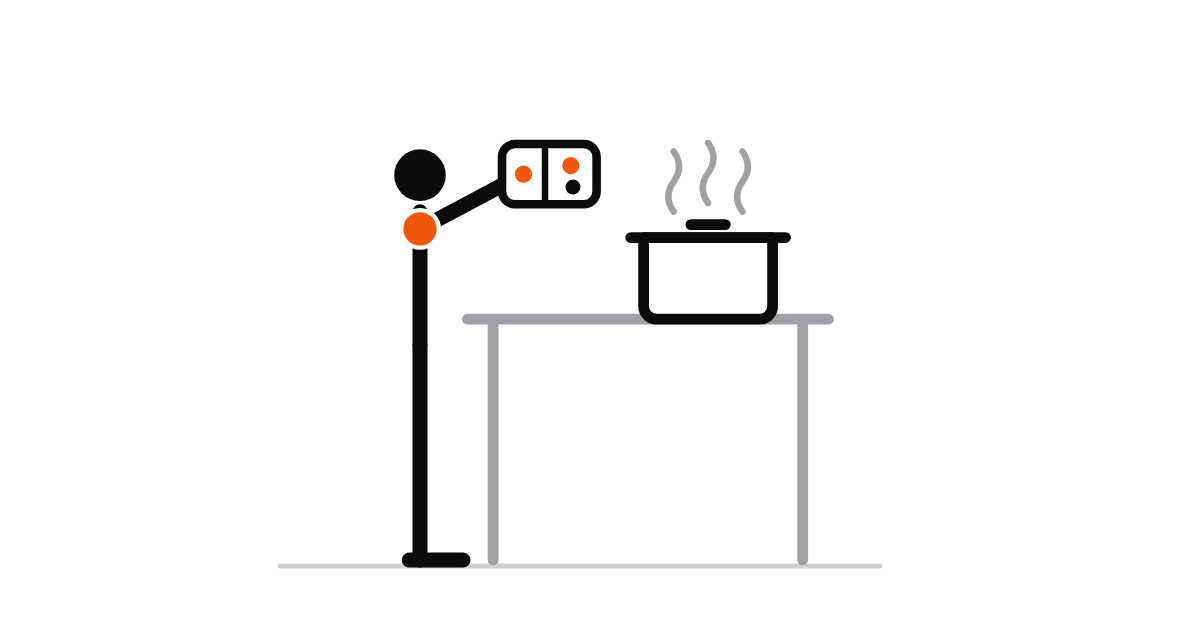
Most meal prep advice asks for your whole Sunday: shop, wash, chop, cook and portion a week of lunches. If you already work long hours, that plan is hard to keep.
Nutrition coach Nilüfer Ece Bozkan, who is on the Shifu Health care team, takes a smaller approach with her busy clients. These are her seven rules.
1. Start with tomorrow's lunch
The hardest step is the first one: bringing a lunchbox instead of eating in the office cafeteria or grabbing fast food. Her top tip for getting started is to cook a bigger dinner and save a portion for the next day's lunch. It can help to pack that portion into a container before you serve your own plate, so it does not get eaten at dinner.
"Once you get over that first barrier, it's easier to go from there and to actually stick with it."
2. Prep twice a week, for an hour or so
Skip the all-day Sunday session. Advice to shop, wash, chop and cook everything in one go makes meal prep sound like hours of work, and that is one big reason people stop. Pick two days that suit your schedule. A session can be as small as chopping a couple of vegetables. If you need to, block a set time in your calendar, for example 10:00 to 11:30, so it does not stretch on. An hour in the evening works too. Put on a podcast, a show or music and treat it as time for yourself.
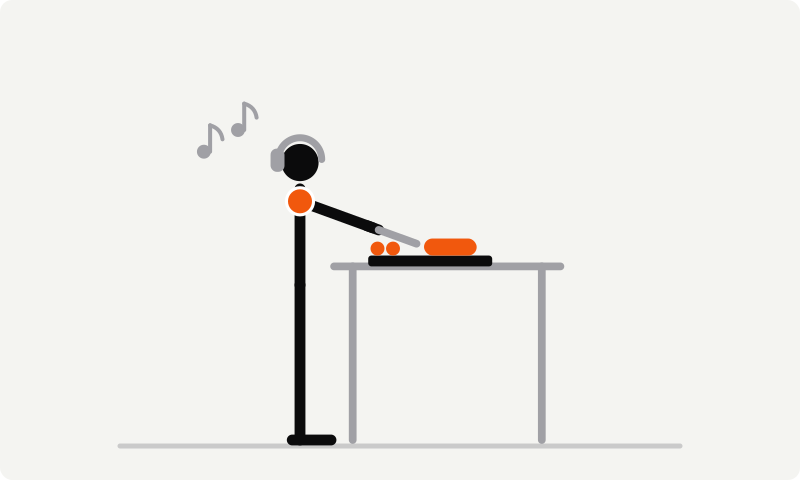
Pick a time of day when you are always home and make prep part of it, like brushing your teeth.
"I only have two days off. Why do I want to spend my entire Sunday baking or cooking every single week?"
3. Prep everything except the cooking
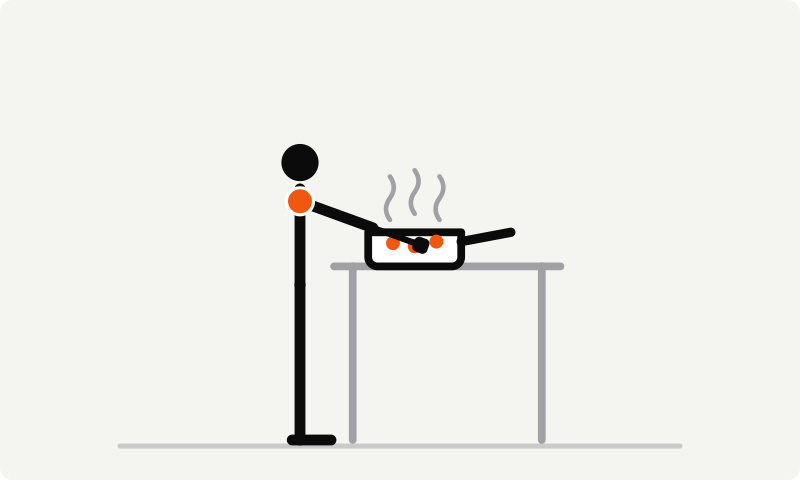
Chopped or cooked food that sits in the fridge for days stops looking appetizing, and food that does not look good does not get eaten. So take each step as far as you can before the cooking: wash and chop vegetables, and mix or marinate your protein, then store it in containers. Prepped protein needs only a couple of minutes in a pan. If you have a bit of time in the morning, cook it before work and pack it.
"Just bring it up to the point as much as you can to make it as easy as you can for when you actually cook or eat it."
Food safety note: raw chicken, including chicken in a marinade, and raw ground meat keep 1 to 2 days in a refrigerator at 40°F or below. Raw steaks and chops keep 3 to 5 days. If you prep twice a week, plan to cook chicken within 2 days, and freeze any you will cook later in the week.
4. Build each meal from a vegetable, a protein and a carb
Keep the formula simple so it does not overwhelm you: at least one vegetable, a protein and a carb. For example, seasonal green beans, sliced chicken and roasted potatoes. Then make a sauce, or buy something healthy that makes the meal more interesting, so you look forward to eating it.
Travel is harder, because you often cannot keep food fresh. Pack things that do not go stale easily, such as dips and chopped fruit and vegetables, and lean on smoothies and other hydrating drinks.
"It's still food and should be yummy."
5. Change one ingredient a week
If eating the same food gets boring, keep the formula and change one thing. When you shop, pick one seasonal vegetable or fruit you have not tried, such as eggplant, and work it into the week's meals. Change the spices too, and the same base tastes new.
"People always overlook just changing up the spices to change what the food tastes like."
6. Freeze what still looks good frozen
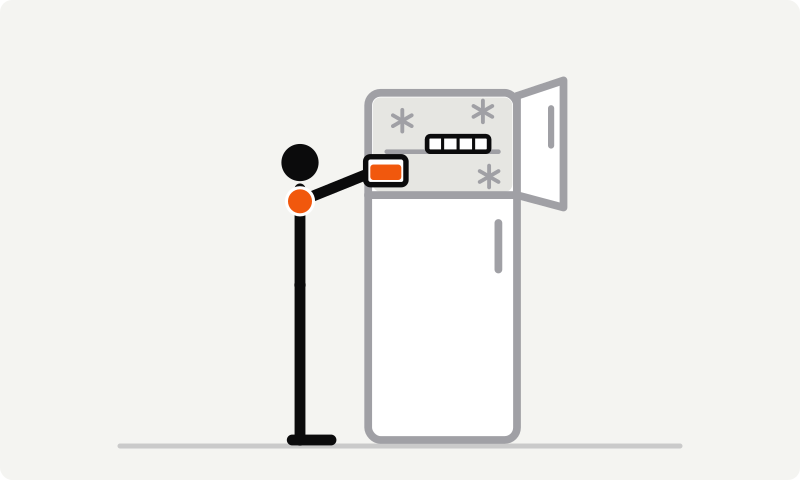
Most food looks tired after a few days in the fridge, so freeze the things that hold up. Bone broth goes into ice cube trays, ready for a sauce or a warm cup at breakfast. Soups and casseroles freeze well. So do healthy muffins and banana bread: bag them in single portions, take one on your way out, and if there is a toaster oven at work, it will be thawed enough to toast by the time you arrive.
"Your eye is eating with you, so if it doesn't look good, you're not likely going to eat it."
Food safety note: cooked leftovers, soups and stews keep 3 to 4 days in the fridge. At 0°F, frozen soups keep their quality for 2 to 3 months and stay safe indefinitely.
7. Start small, and take shortcuts when they help
Do not make it scary: you are just making food for yourself. Begin with simple recipes, or try making a dish from a restaurant you always eat at. Healthy baking counts: an oatmeal bar or banana bread can be breakfast. If a meal delivery service helps you eat healthier than takeout and you feel good on it, keep using it. There is no need to make your life harder. To start cooking, add one home-cooked day a week and build from there.
"Start small. If you go right into it [too much to begin with], that's when people give up the fastest."
Where Shifu helps
Nilüfer has used Shifu herself, and she thinks it can be a real help with eating healthy and meal prep, especially if you are new to prepping. It sets up what to eat from your onboarding answers, then texts you tips and reminders when you need them, such as taking the banana bread or smoothie you prepped on your way out.
"Hey, don't forget you got that lunch in the fridge. Don't go out to eat today." ~ Shifu
Start tonight: cook a little extra, and pack tomorrow's lunch before you sit down to eat.

Nilüfer Ece Bozkan is a certified nutritionist and health and wellness coach on the Shifu Health care team. Since 2023 she has run Wellness with Nilufer, a remote one-on-one coaching practice built around sustainable habits and personalized wellness plans, and she writes a health and cooking blog.
This article is based on an interview with Nilüfer Ece Bozkan, written by the Shifu Health team, and reviewed for accuracy by Nilüfer Ece Bozkan, Certified Nutritionist.
Sources
General wellness guidance only. Not medical advice, diagnosis, or treatment.